

By Jack Menechino
Imagine a small pond with crystal-clear water before you. It’s nature in its purest form, untouched by human hands and available for everyone to enjoy.
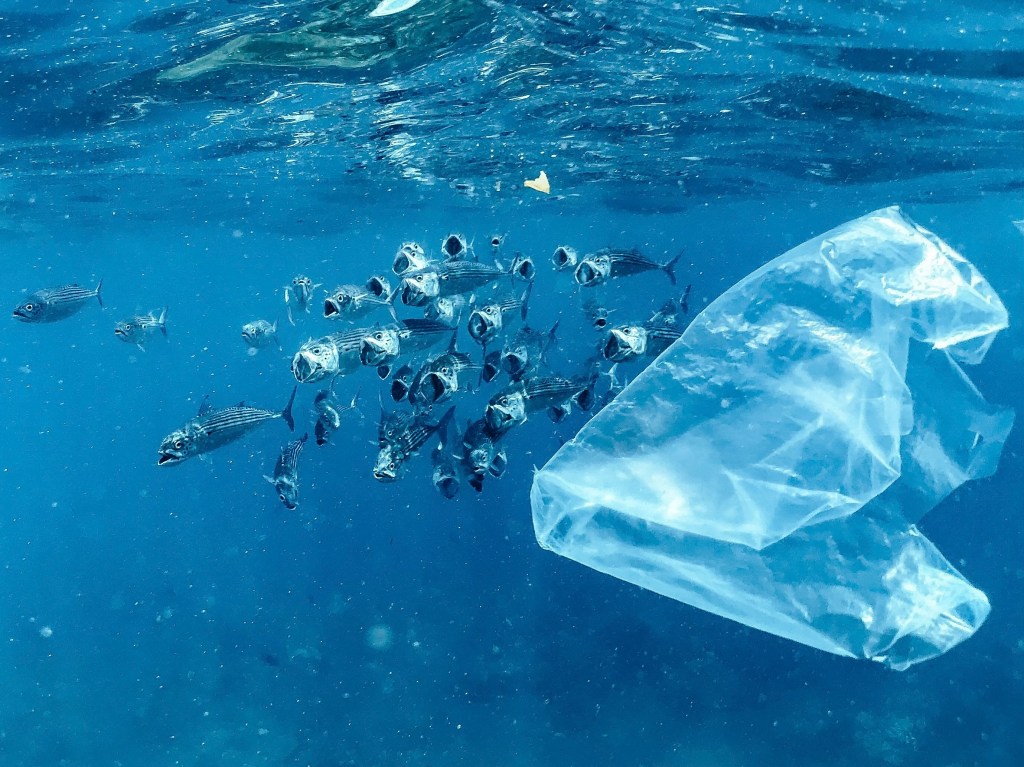
Now imagine a plastic water bottle bobbing along the top of that lake. It detracts a little from your enjoyment of your surroundings, but it thankfully does not take too much away from the scenery. Now imagine another bottle here, some snack wrappers there, add some other plastics into the mix. Now that once beautiful lake has been tarnished by human carelessness, and the lake’s ecosystem is now worse off for it.
Such sights are a depressingly common reality for all of us. Look around your local park, the nearest woods or even the parking lot you arrive at every day. More often than not, you’ll see a strewn about Doritos bag or a crumpled-up bottle of water rolling around. As someone who has been in higher education near the coast for seven years, I have seen the effects of plastic pollution far too often.
Subscribe to read more insightful pieces like this, direct to your inbox.
At the College of Coastal Georgia, where I went to undergraduate school, there is a beautiful lake in the back of the campus with a fountain spewing water up high. It’s the ideal place to go after a long day of classes, and yet sometimes as I walked around the lake, I would see a piece of trash nestled in the grass, or floating on the water’s surface. This is not only unsightly, but it is dangerous. Fish do swim in that lake on campus, and if one of them tried to eat that plastic for themselves, a very nasty surprise would await them.
And perhaps what is most upsetting about this is how easily preventable it is. Around the campus lake are conveniently placed recycling bins for students to place their trash in, and yet they are not utilized as much as they should be. Or sometimes we face the reverse problem: the bins are overflowing to the point where the trash and plastic spills out of them, seeping into our environment.
This local example is just one small instance of a much larger problem. In places across the world, from the Great Lakes in the United States of America to Lake Maggiore in Italy, plastic and trash pollution dominate headlines. Many people tend to forget that our national wonders of the world are not immune to harm. If they sustain too much damage from plastics tainting the water with chemicals and plastic, and harming the wildlife with invasive human items, then we will not have them for future generations to enjoy.
So what can we do to fight back against the onslaught of trash infiltrating our waterways and the world around us? The first and arguably biggest thing one can do to contribute to the cause is to start local and start small. When you’re going out and about on your daily routines away from your home, make sure you properly dispose of your plastics and garbage at any appropriate bins you can find. And if those bins are looking like they’re about to overflow, notify a local employee about it so the liners in those bins can be replaced, and the plastics safely removed. If you see those plastics in the grass or floating near the water’s edge, pick them up and find a place to safely dispose of them. Your actions may seem paltry; but picking up one plastic bottle and removing it from nature may have more of a positive impact than you’ll ever realize.
But if you want to aim bigger, to contribute more and really take the fight to plastic pollution in our environment, the best thing you can do is to join a local organization. There are many groups that exist solely to clean parks and rivers, and spread the word about the dangers of allowing plastic pollution to go unchecked. By getting your hands dirty and sweeping our lakes clean, you will be the face of positive change. And if you can’t find a group near you, there’s still important work you can do to raise awareness. Taking to the internet and making a blog about what we can do to save our waterways, encouraging others to be a part of the solution- this is vital work, and far more helpful than staying silent. There are many ways to combat plastic pollution, but what matters is that we do something.
Jack Menechino is an environmentalist, New Climate Journal writer and graduate student in Georgia, United States.
 New Climate Journal
Leave a comment